Vision
Quality of life that lasts
To enable communities across the country to improve quality of life — through education, healthcare, livelihoods and lasting household assets — on a sustainable and inclusive basis.
Jagannath Foundation works in education, healthcare, skills, women’s livelihoods and household energy — so families keep more of what they earn, and children stay in school.
The Foundation
Formed on 17 August 2026, Jagannath Foundation is an irrevocable public charitable trust. Income and property can be applied only to its objects. There is no private profit.
We work where the household actually is: a school that needs books, a clinic that is too far, a fuel bill that eats the month, a young person with talent and no corridor. The work is civic, secular, and measured by what remains after the camp is over.
Programmes are open to every community. We do not ask anyone to belong to a tradition in order to sit in a classroom, a camp or a self-help group.
Direction
Vision
To enable communities across the country to improve quality of life — through education, healthcare, livelihoods and lasting household assets — on a sustainable and inclusive basis.
Mission
We exist to serve communities across India, with partners and evidence, putting women at the centre of household economics and turning one-time assistance into a skill, a saving and a school that holds.
Objects
Education, healthcare, relief of poverty, women’s and children’s welfare, environment, and community development. The Trust does not carry on any activity with the object of earning profit.
On the ground
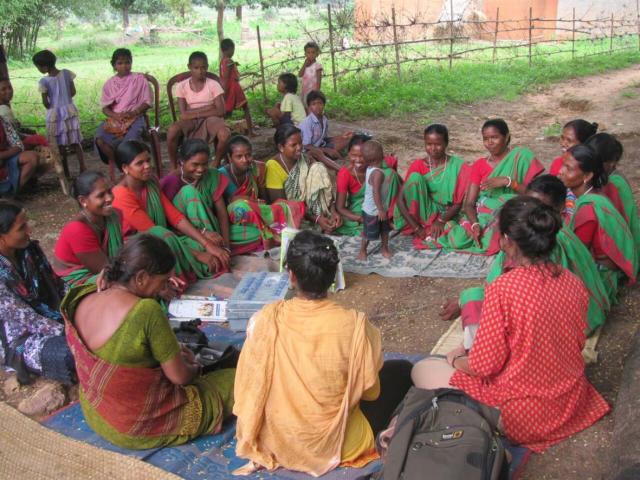
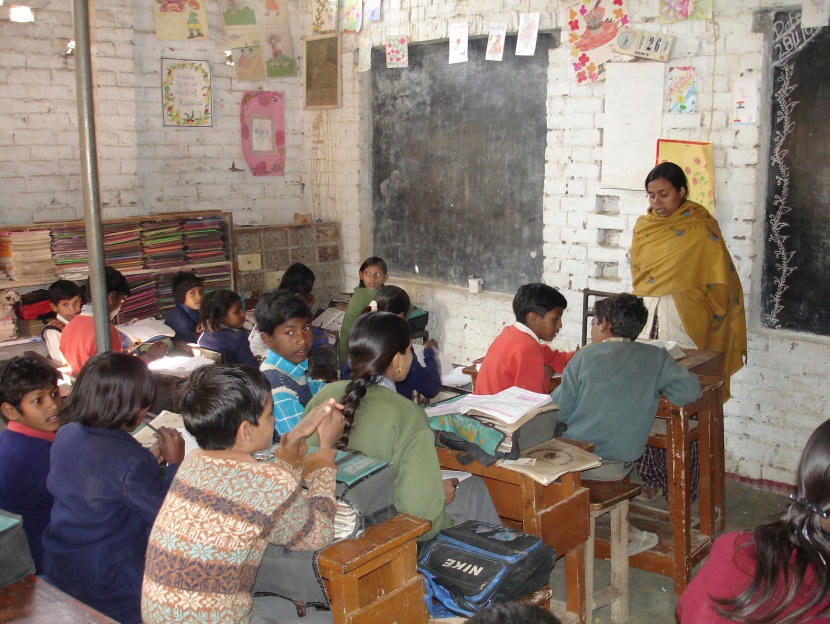
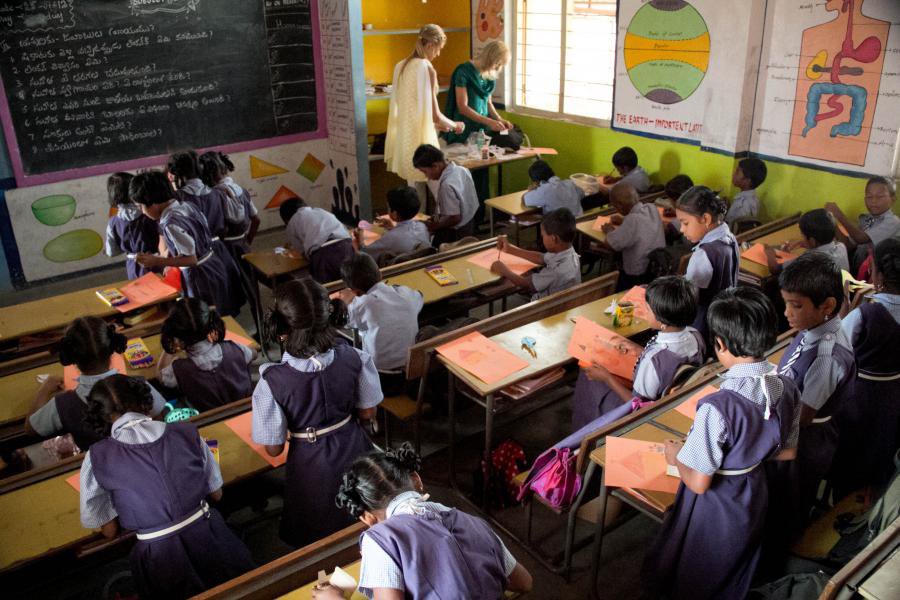
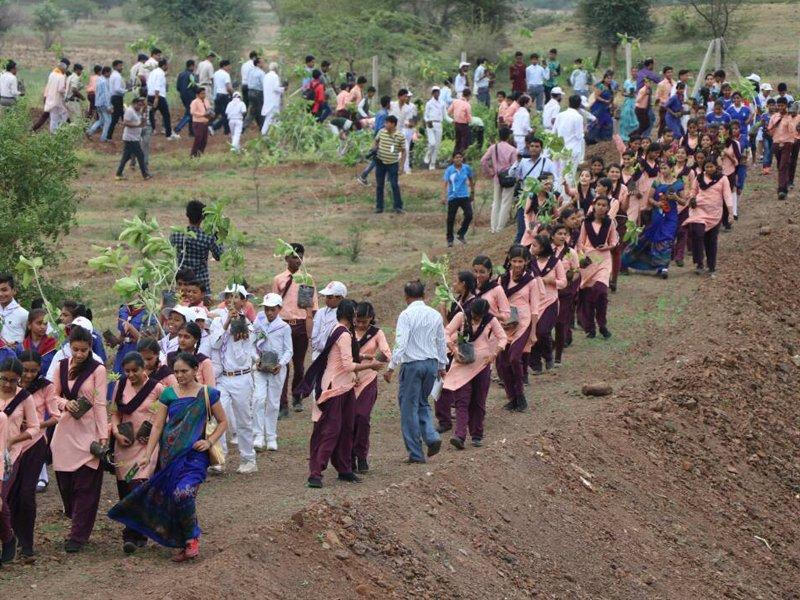
Photographs of the work we mean — households, schools and community groups — not monuments.
Six programmes
Each line of work is designed to leave something a household can still use a year later: a skill, a saving, a school habit, a cleaner bill. The map is the country.
01 · Classrooms that stay open
Literacy is treated as a public good, not a privilege reserved for those who can already pay for it. Reading rooms, first-generation learner support, and practical help to schools already doing the hard work across the country.
02 · Prevention before crisis
Most families we meet do not lack courage. They lack a clear, nearby path to preventive care. Health camps, nutrition awareness and family wellbeing — modern public health, explained in the language of the household.
03 · Work, character, a playing field
A district full of young people is not automatically a district full of livelihoods. Livelihood workshops, mentoring, and a sports platform for young people who have talent but no corridor to coaching.
04 · Income, agency, a seat
A household energy saving that a woman cannot control is not a livelihood. It is a rumour. Self-help groups, livelihood training and leadership for women and girls — so a household’s saving is not spent without them.
05 · The living systems around us
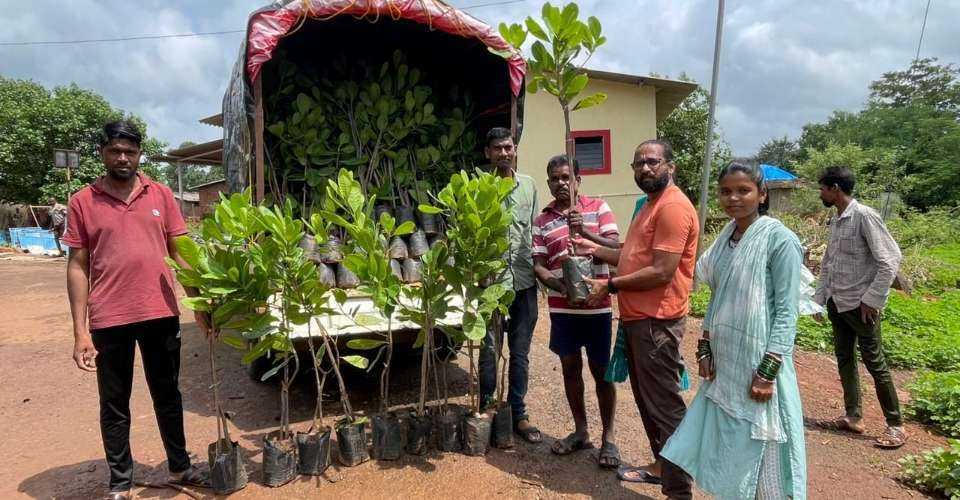
Climate work that cannot be walked to from a village is not climate work we will sign. Local greening, water and soil awareness, and community care for land in villages and towns across the country.
06 · From bills to an asset
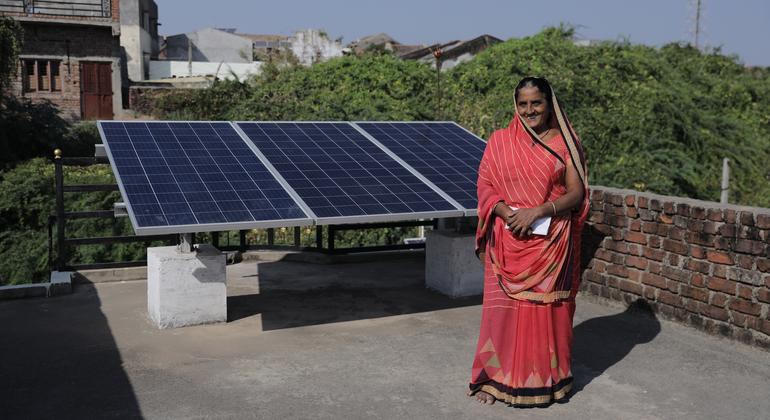
Traditional welfare hands over assistance. This model helps a family permanently reduce a recurring bill. Affordable rooftop solar, cleaner cooking, and a household economics model for BPL, tribal and PVTG families.
Our approach
Welfare that only arrives once leaves the next month unchanged. We prefer work that cuts a recurring cost, builds a skill, or keeps a child in school — then we stay long enough to see it hold.
01 Identify. Map BPL, tribal and PVTG households in a block with local institutions — not from a desk in the city.
02 Assess. Read the actual energy, health and livelihood load of the household: LPG, electricity, cooking fuel, school access, women’s time.
03 Install lasting assets. Solarise where it is viable. Pair with clean cooking, skills and school support so the saving is not spent on the next emergency.
04 Hold the line. Train, follow up, and measure. The work is finished when the household keeps the saving — not when a banner comes down.
How we work
People we work with are partners in a household’s future, not recipients of a spectacle. We show up with respect, keep records, and do not photograph anyone into a slogan.
A camp that looks busy is not the same as a bill that falls, a girl who stays in school, or a skill that pays. We design for what a family can still feel twelve months later.
We work with existing schools, health workers, self-help groups and panchayats across the country rather than inventing a parallel system.
Household energy, savings, nutrition and children’s schooling move when women have information, income and a seat at the table. Our programmes are built around that fact.
Work philosophy
Household energy is the Foundation’s own philosophy: rooftop solar, a shift away from costly cooking fuel, and training led by women — so a recurring bill becomes a saving a family still has next year.
Odisha has 13 particularly vulnerable tribal groups — the highest of any Indian state. Isolated camps will not meet that scale. An integrated household model might. A strategic partnership with UNAccc joins grassroots reach with a wider sustainability platform.
The founder’s dream
Founder, Settlor & Managing Trustee
Dr Jagannath Patnaik is an educationist, author and public administrator. He is Vice Chancellor of The ICFAI University, Sikkim, and Advisor to the ICFAI Society, Hyderabad. He has spent more than sixteen years at the head of universities, including Kalinga University, Raipur, with earlier senior offices at Sikkim Manipal University, Bharati Vidyapeeth, Vinayaka Missions and the Maharishi Institute.
He holds a doctorate in Political Administration (Moscow, 2000), a doctorate in Life Sciences (2016), a D.Litt. in Education (2019), an LL.M. in Commercial and Corporate Law, an MBA and a B.Com, with diplomas in human rights, intellectual property and cyber law. His books and teaching treat education, the North-East, human rights and positive living as public work, not performance.
He has served on university and education councils, including the Confederation of Indian Universities, and as Global Chairman of the UNACCC Governing Council. On 17 August 2026 he settled Jagannath Foundation as an irrevocable public charitable trust so that classrooms, health camps, skills and household energy could be held for public benefit alone — across the country, without private profit.
“Service is not a performance. It is the daily work of making education reachable, health understandable, and young people employable.”
Photo gallery
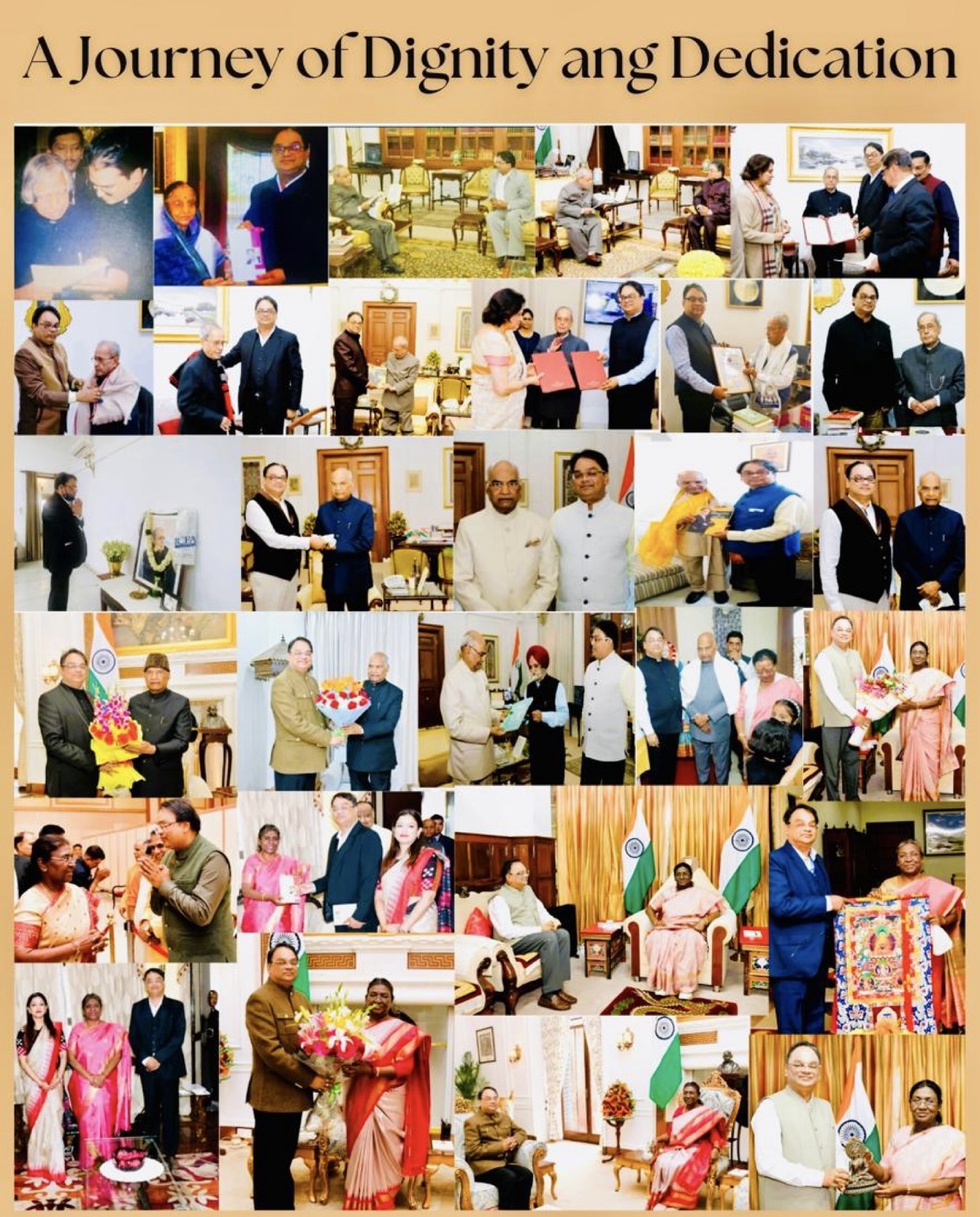
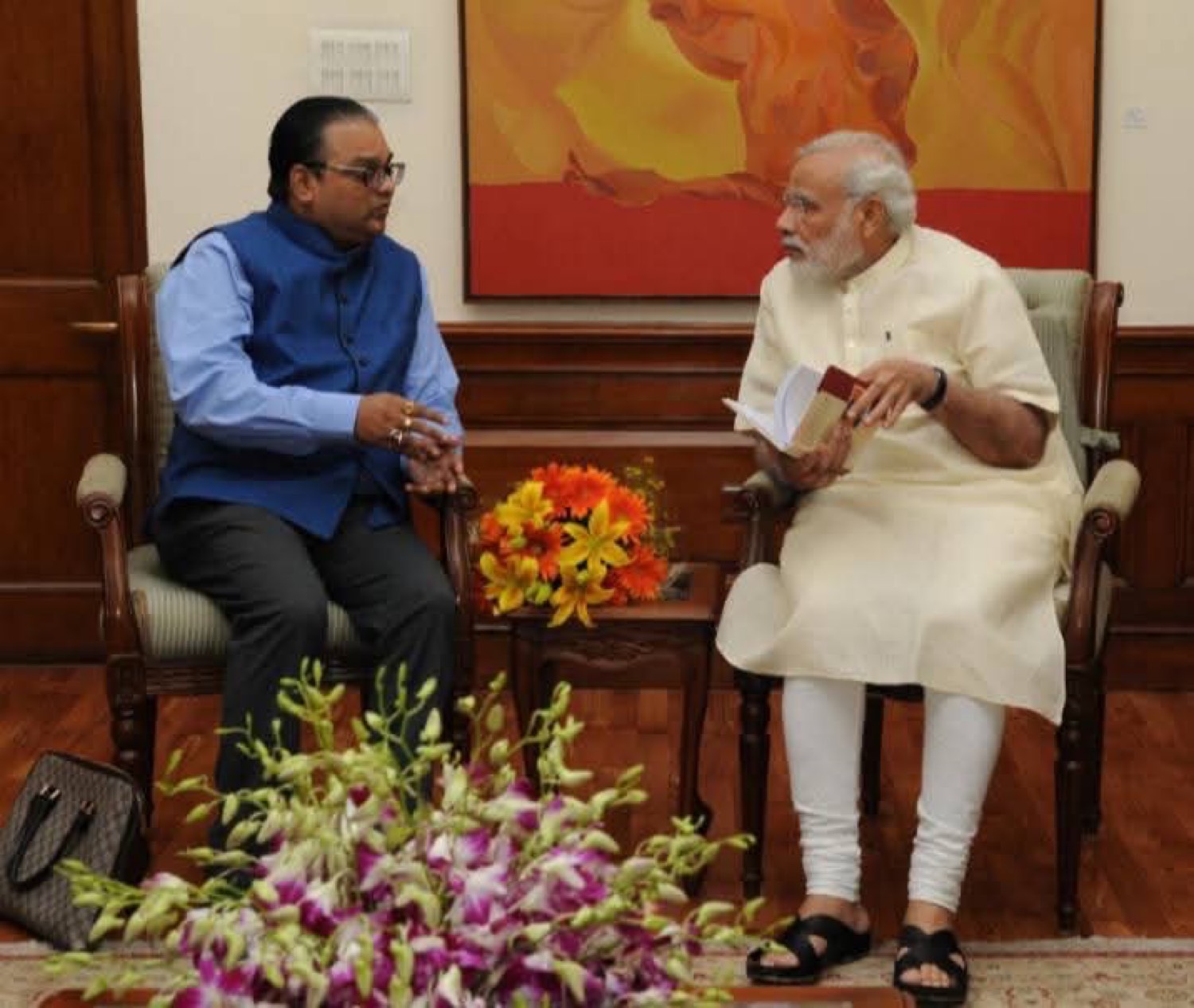
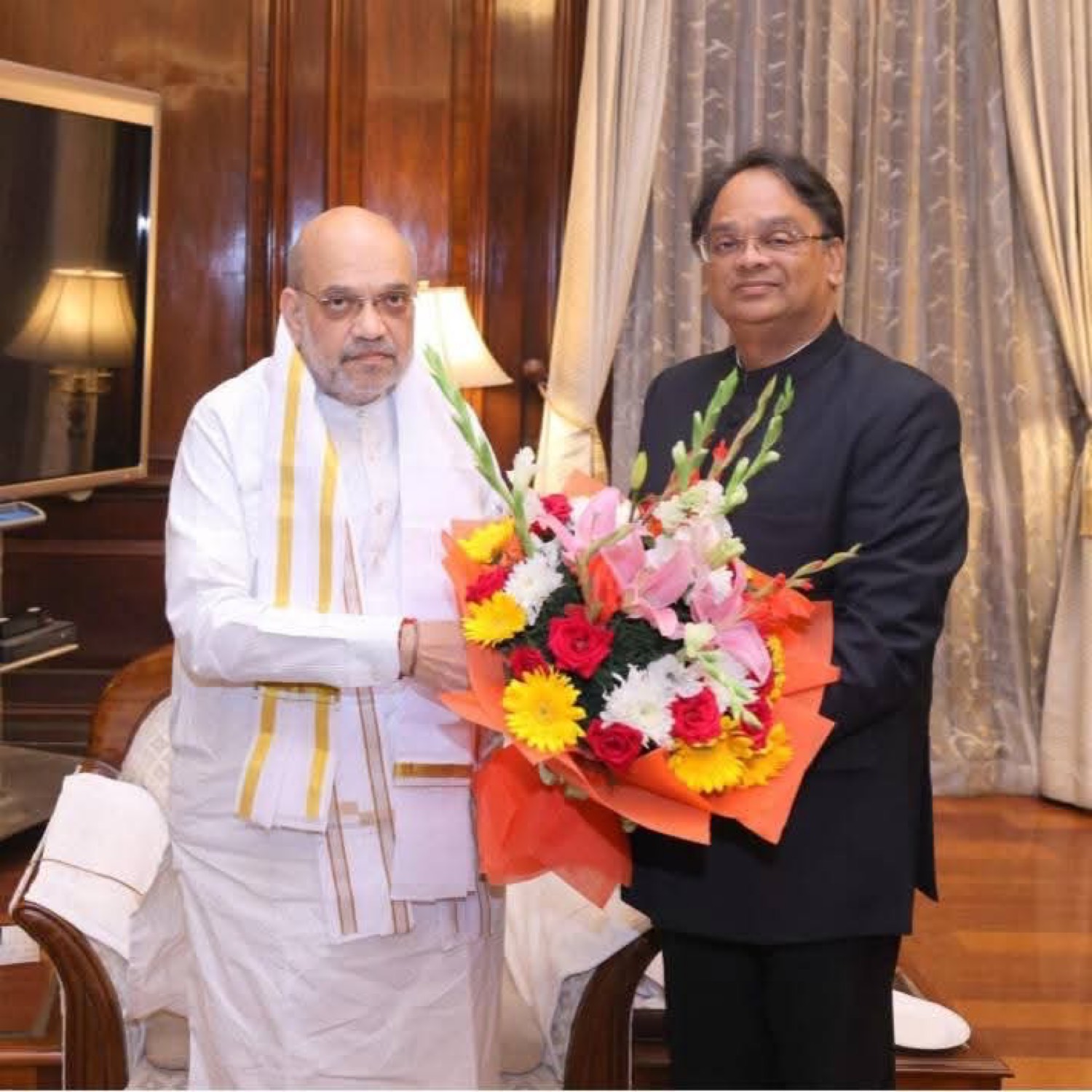
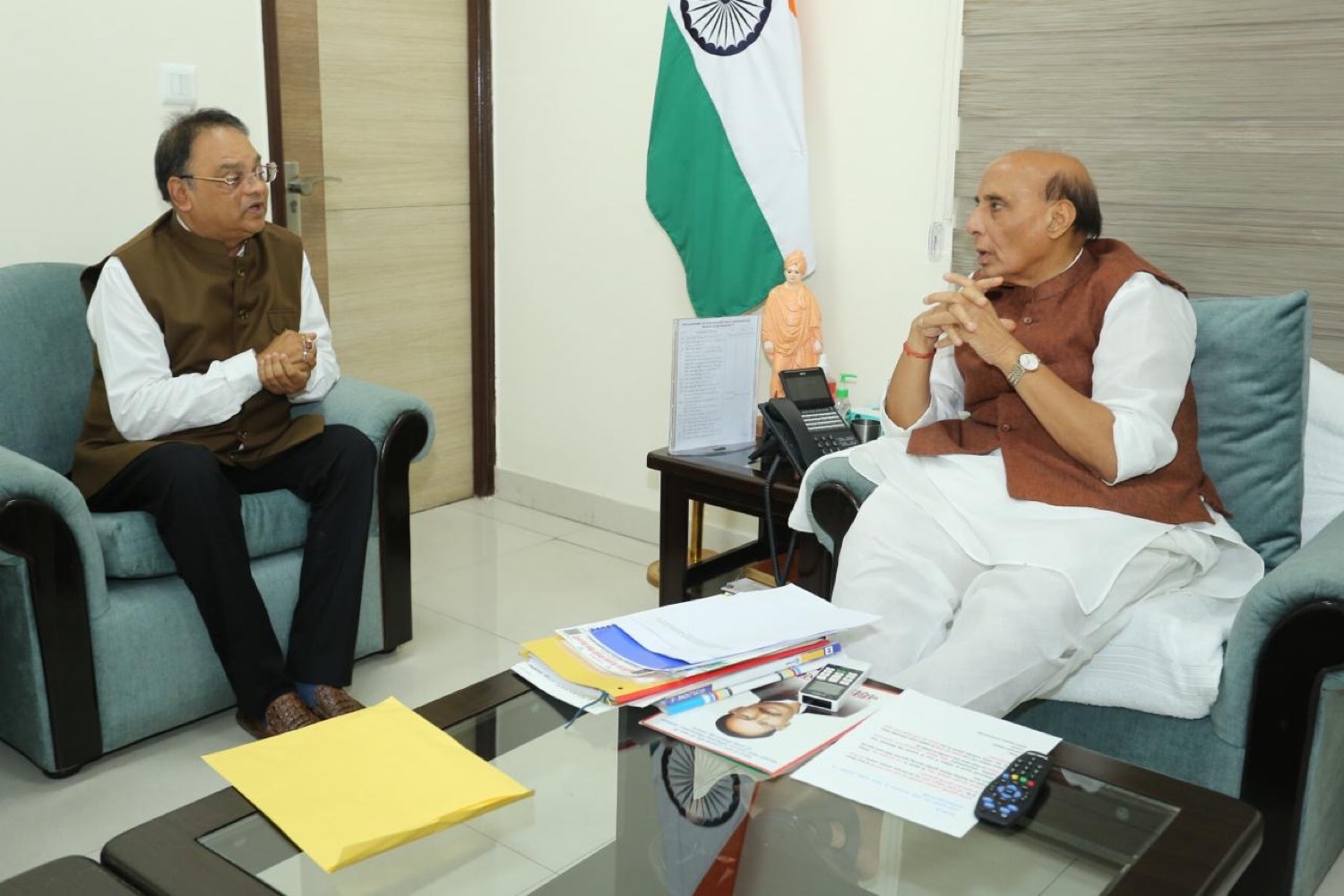
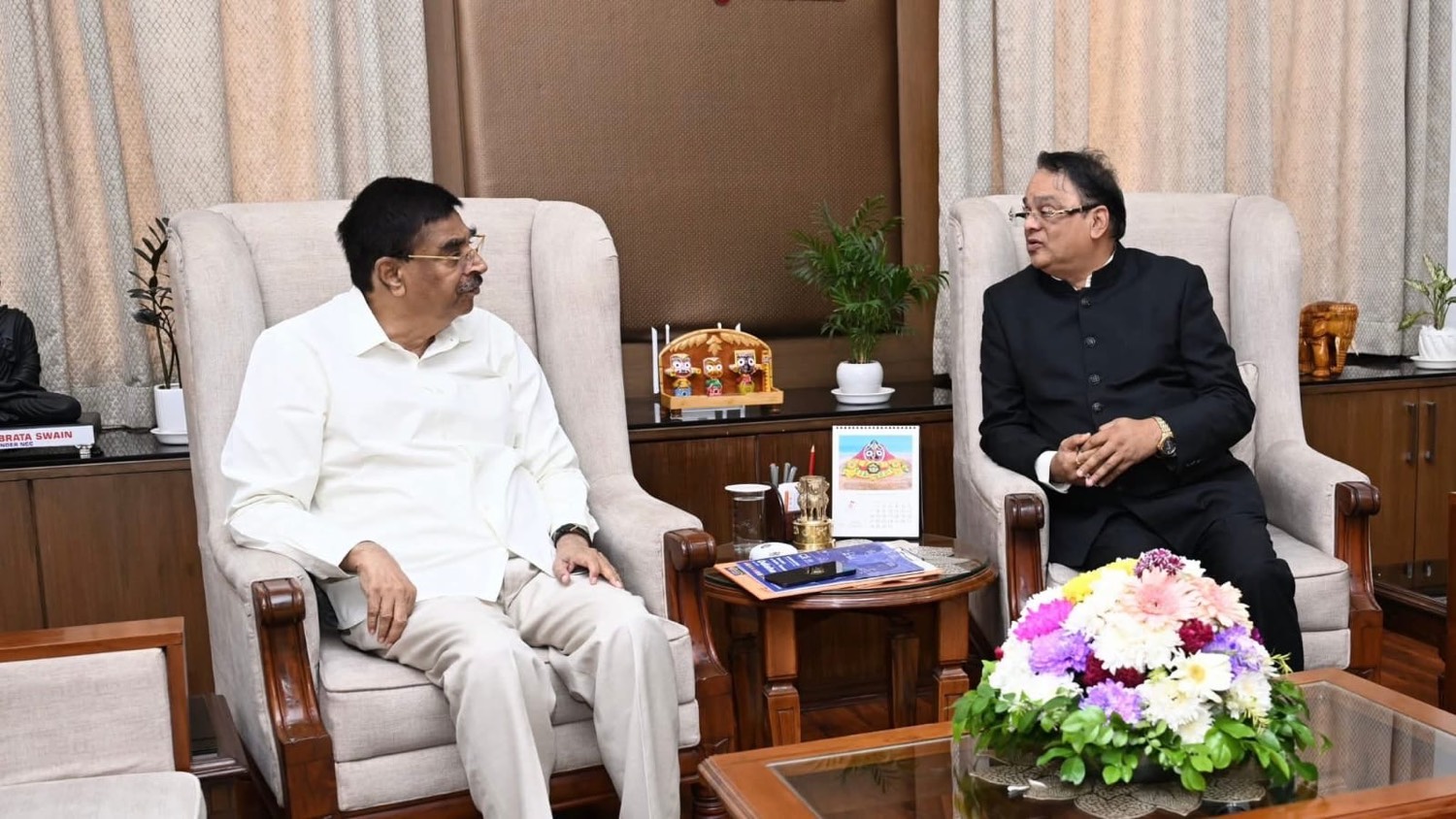
Courtesy calls and public work across the years.
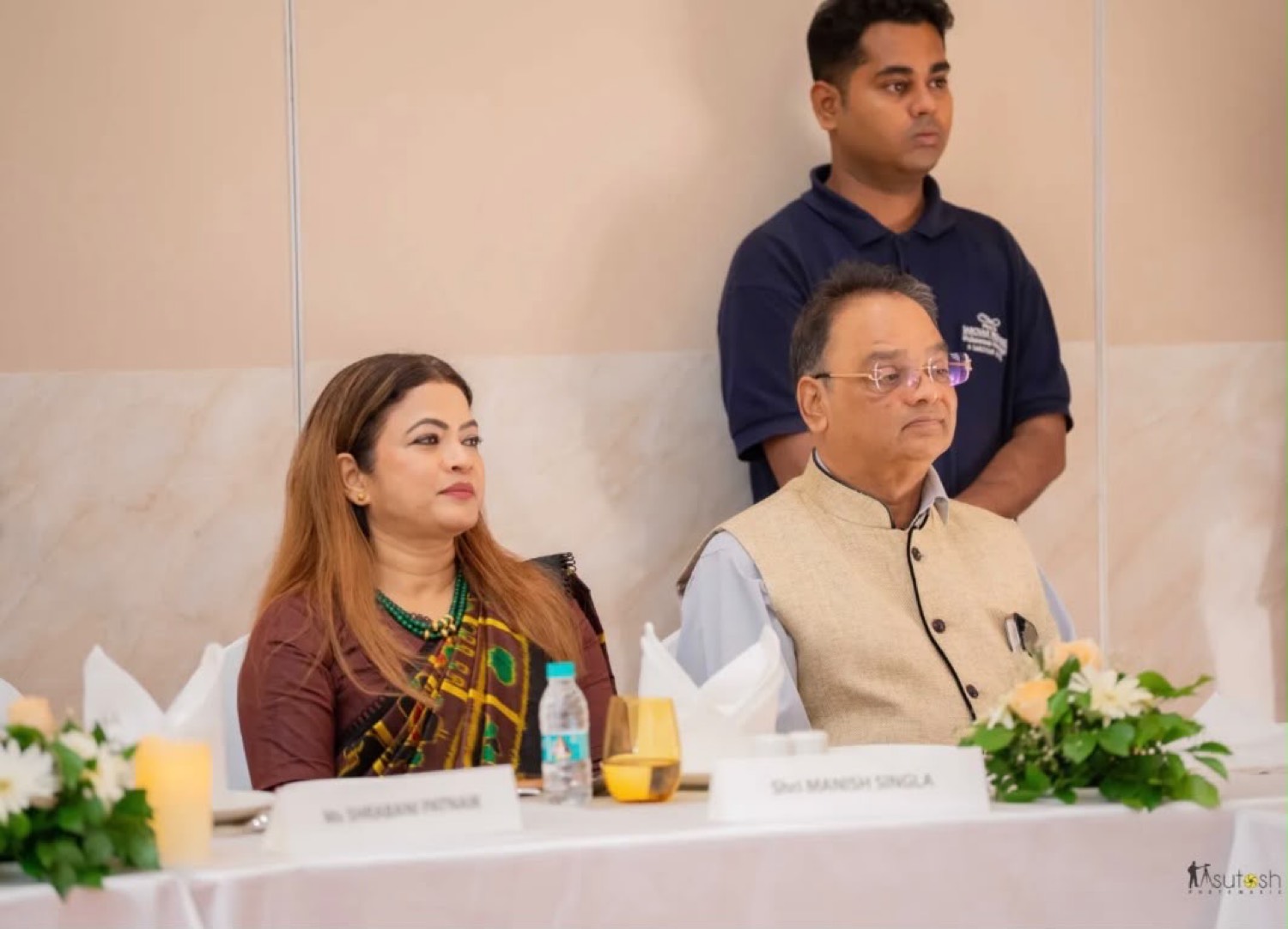
Trust board
The settlor invited the founder trustees to hold the corpus for public benefit. The deed is irrevocable. Income and property can be applied only to the objects of the trust.
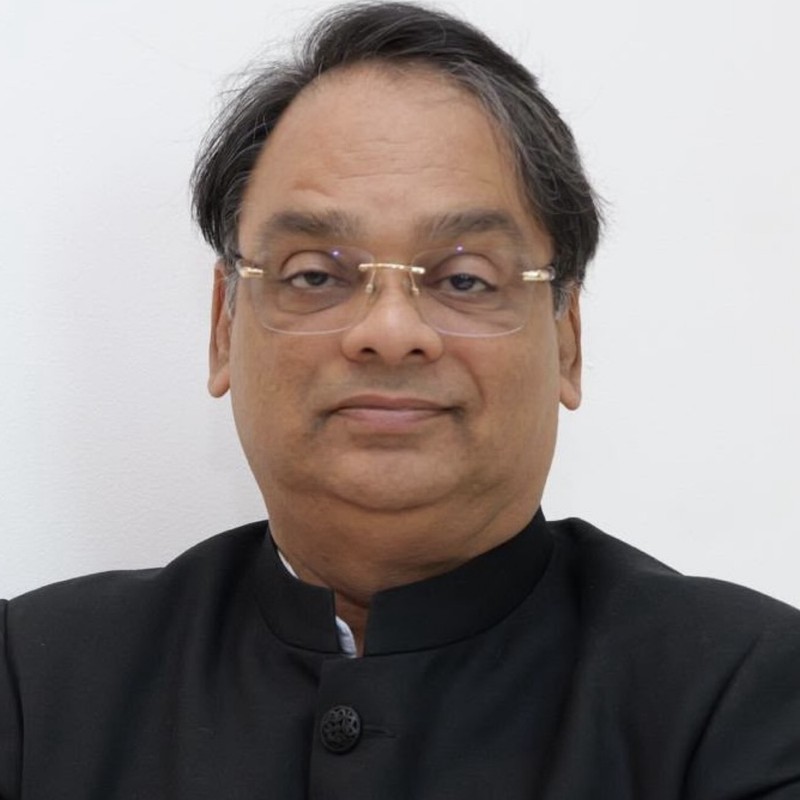
Founder, Settlor & Managing Trustee
Vice Chancellor, The ICFAI University Sikkim. Educationist and author. Settled the Foundation on 17 August 2026. Holds its direction across education, health, youth skills, women’s livelihoods and household energy. Chair, Board of Advisors.
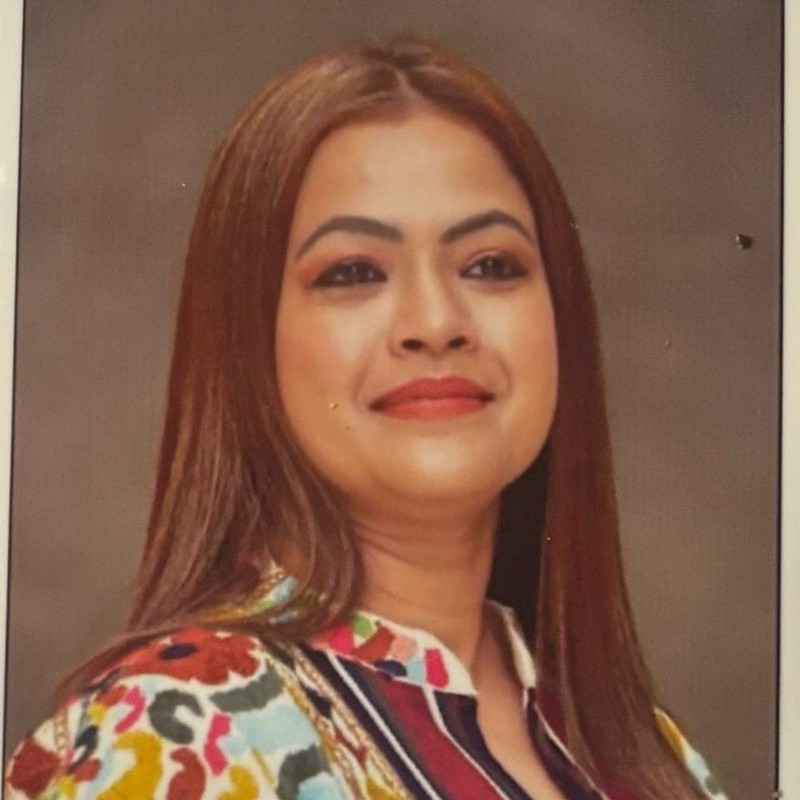
Founder Trustee
Holds the trust property for public benefit with the settlor. Supports programme leadership, field follow-up and the day-to-day work of the management body.
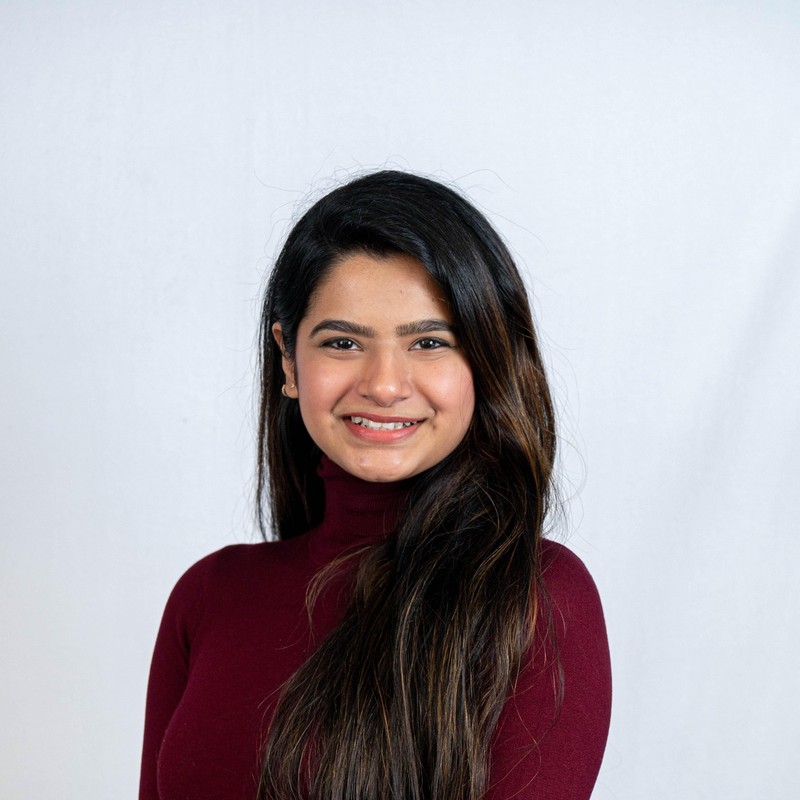
Founder Trustee
Strengthens community engagement, partnerships and the public presence of the Foundation.
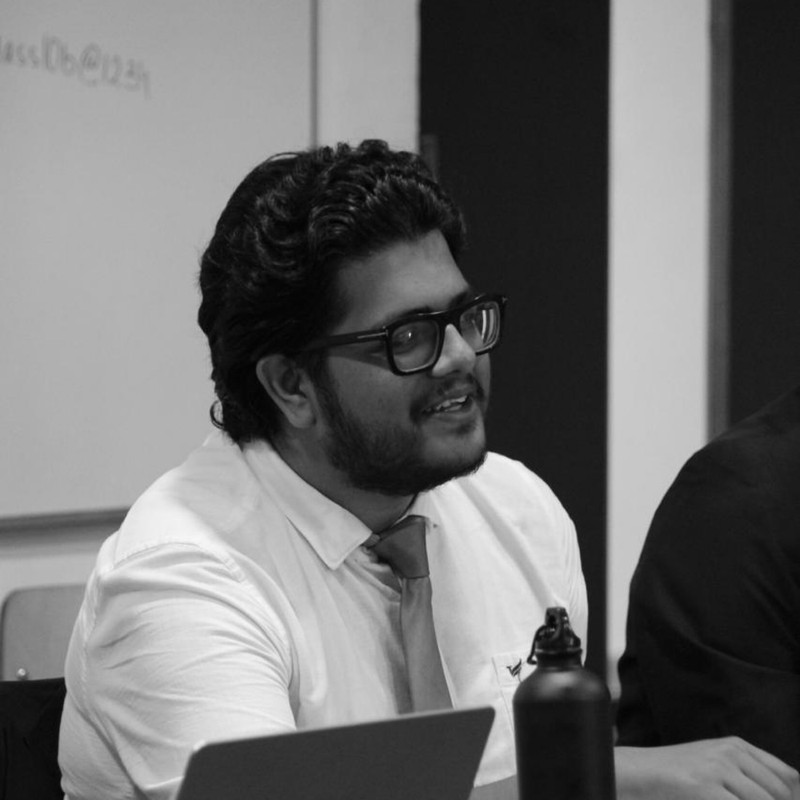
Founder Trustee
Supports field follow-up, youth programmes and the longer association of members with the trust.
On the ground
Six desks run the work: education and literacy, health and family welfare, youth skills and sport, women’s livelihoods, environment, and solar housing. General membership is open by application and is not a commercial product.
Partnerships
Strategic partner on sustainability, climate and clean-energy household models.
Work with existing public systems rather than a parallel structure.
Technical and financial partners who will stay after the camp is over.
A corridor for talent that has nowhere else to go.
Schools, health workers, SHGs and panchayats already doing the hard work.
Independent advice on energy, education, public health, women’s livelihoods and youth skills.
Join the work
Membership is open by application and is not a commercial product. Members strengthen camps, classrooms and follow-up — not a certificate. Tell us the district you can reach and the skill you actually have.
Offer your timeThe Foundation accepts donations, grants and endowments consistent with its objects. Gifts are applied only to public benefit. Donors may claim deduction against a valid receipt under the Foundation’s provisional Income-tax approval.
121494600000139YESB0001214AAFTJ8006QAAFTJ8006QE20261AAFTJ8006QF20261chairman@jagannathfoundation.charity or patnaikjagannath8@gmail.com after you transfer so the gift can be receipted.Headquarters